Moving heavy materials efficiently requires the right equipment. Using the wrong tools slows down deliveries and increases the risk of workplace injuries. The key decision: stick with manual hand trucks or invest in powered options?
Your choice impacts operations, costs, and employee safety. This guide breaks down the differences, helping you decide based on load volume, terrain, and budget.
Manual Hand Trucks
A standard manual hand truck is simple and effective. With a metal frame, toe plate, two wheels, and a handle, it relies on the user’s physical strength to tilt, balance, and push loads. Lightweight and maintenance-free, they work well for light loads on flat surfaces but can strain workers during repetitive or heavy lifting.
Electric Hand Trucks
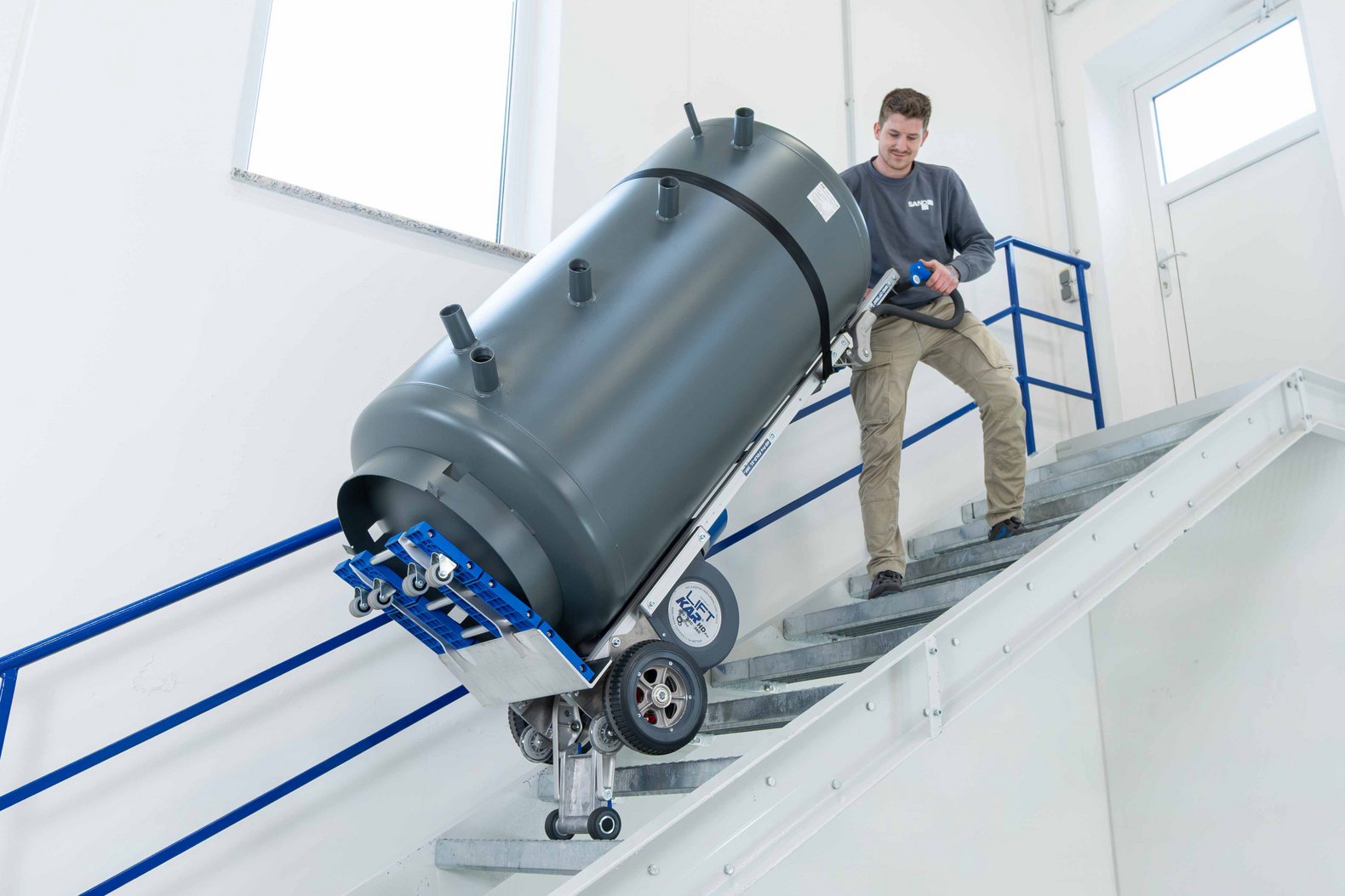
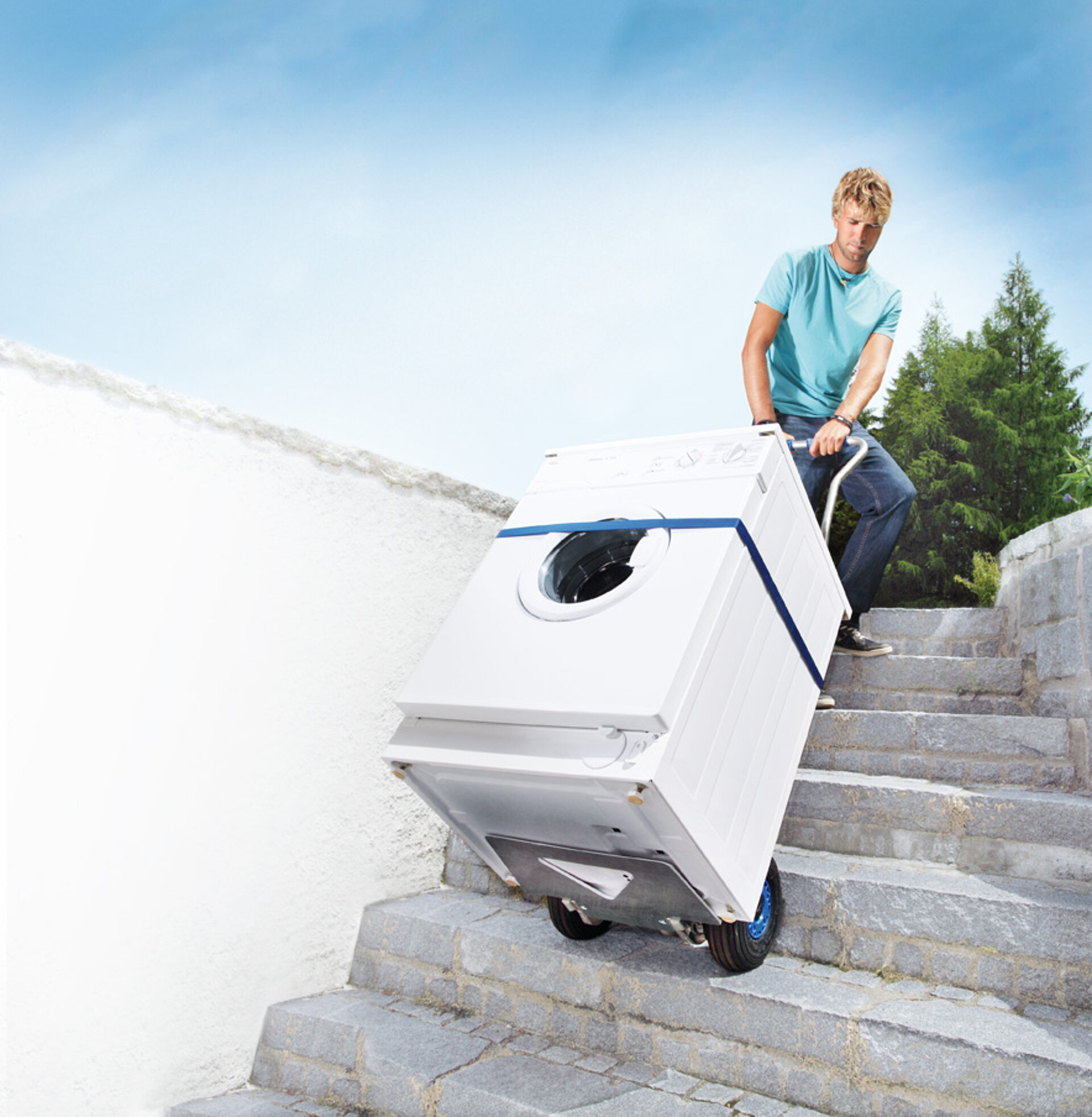
Electric hand trucks add a motor to the basic design, allowing operators to lift or move loads with minimal effort. Features like motorized climbing mechanisms and safety brakes make them essential for navigating stairs or handling heavy loads. While they cost more upfront and require battery maintenance, they drastically reduce physical strain and improve efficiency.
Load Volume and Frequency
Consider your daily load volume. If your team regularly moves heavy items like appliances or industrial parts, manual tools can quickly lead to fatigue and injuries. In high-volume situations, electric hand trucks reduce strain and maintain efficiency throughout the day.
For lighter loads or occasional use, manual hand trucks remain a practical, cost-effective option.
Terrain Considerations
Delivery routes matter. Electric hand trucks excel on stairs and rough terrain, reducing the risk of injuries. On smooth, flat surfaces like warehouses or retail floors, manual hand trucks perform well and remain agile for lighter loads. For extremely heavy items on flat ground, motorized wheels can offer additional support.
Financial Impact
Manual hand trucks are cheap and ideal for startups, but they wear out faster under heavy use. Electric hand trucks require a higher upfront investment but improve efficiency and reduce injury risks, saving costs in the long run.
The biggest expense to avoid is workplace injuries. A single back injury can cost tens of thousands in medical bills and disrupt operations. Electric hand trucks help prevent these risks, protecting both workers and profits.
Final Thoughts
Choosing between manual and electric hand trucks depends on your team’s workload, delivery routes, and budget. If heavy loads, stairs, or frequent complaints of back pain are common, powered tools offer the safety and efficiency needed to grow your business. Evaluate your operations and equip your team with the tools they need to operate safely and successfully.